

1 – Lancashire Sports Repairs Ltd
Lancashire Sports Repairs Ltd is a repair centre for clothing and footwear specialising in outdoor performance wear. We work with both end consumers and brands to keep damaged equipment out of landfill.
Before joining the Manufacturing Technology Programme (MTP), what challenges or opportunities were you facing?
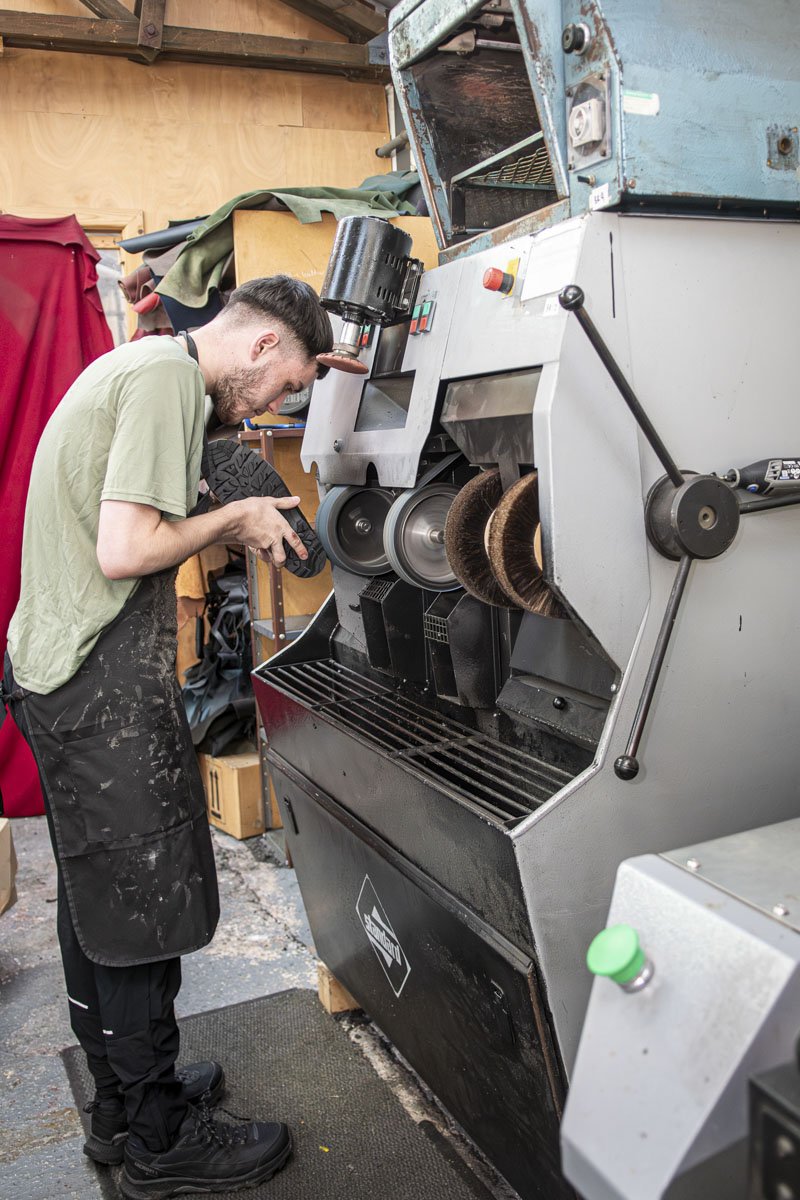
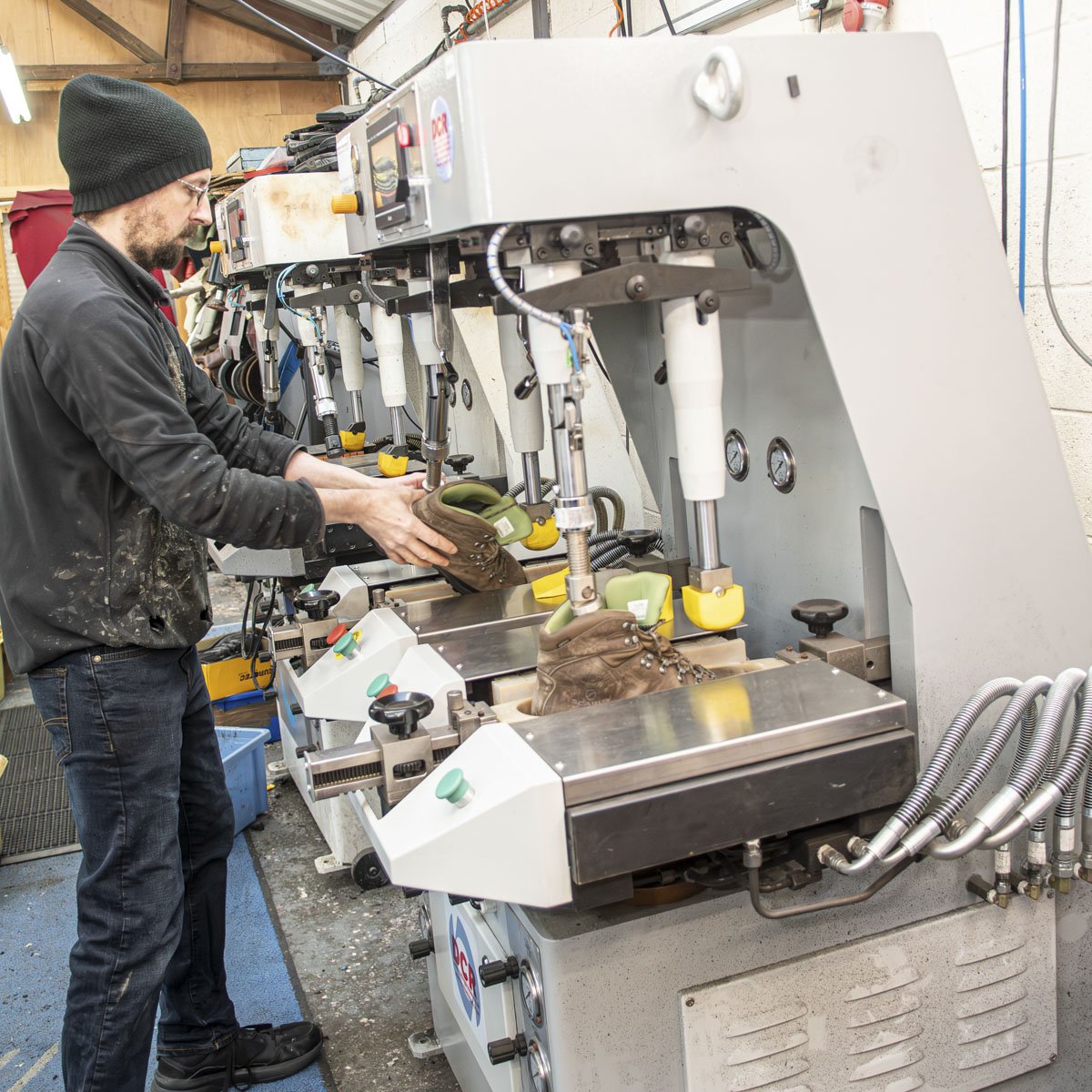
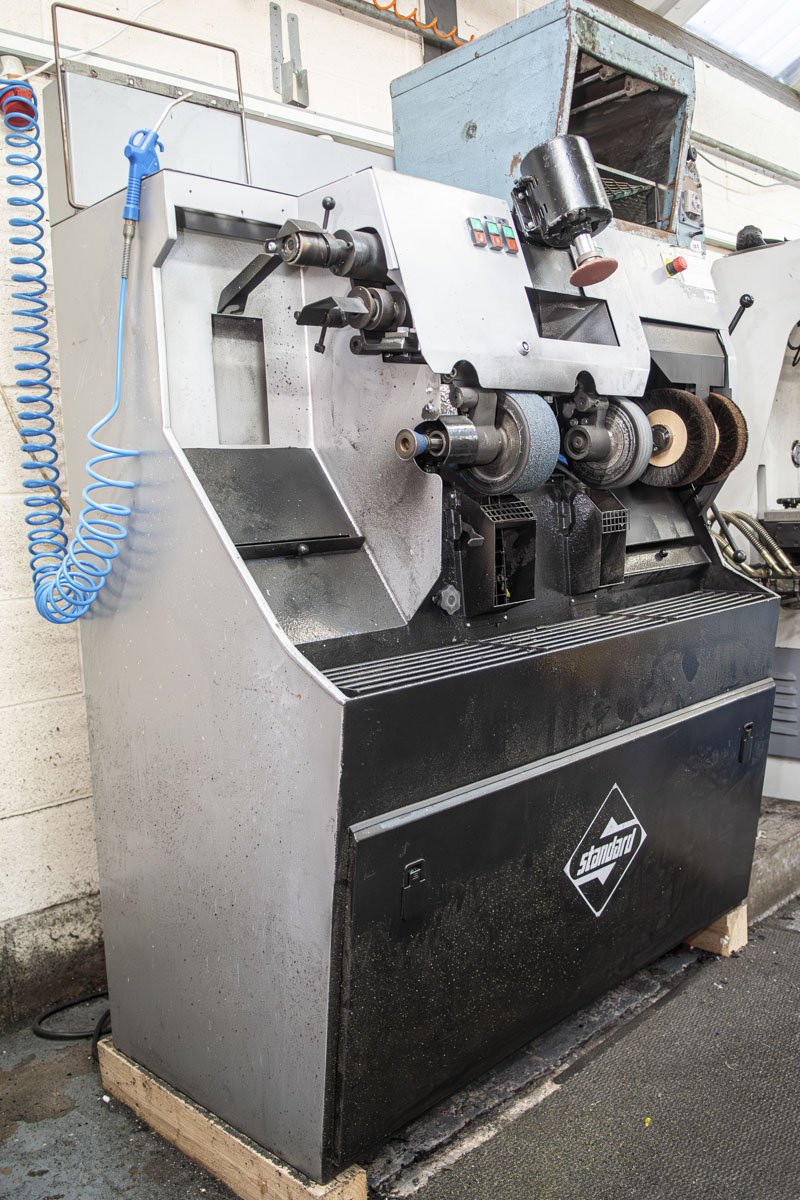
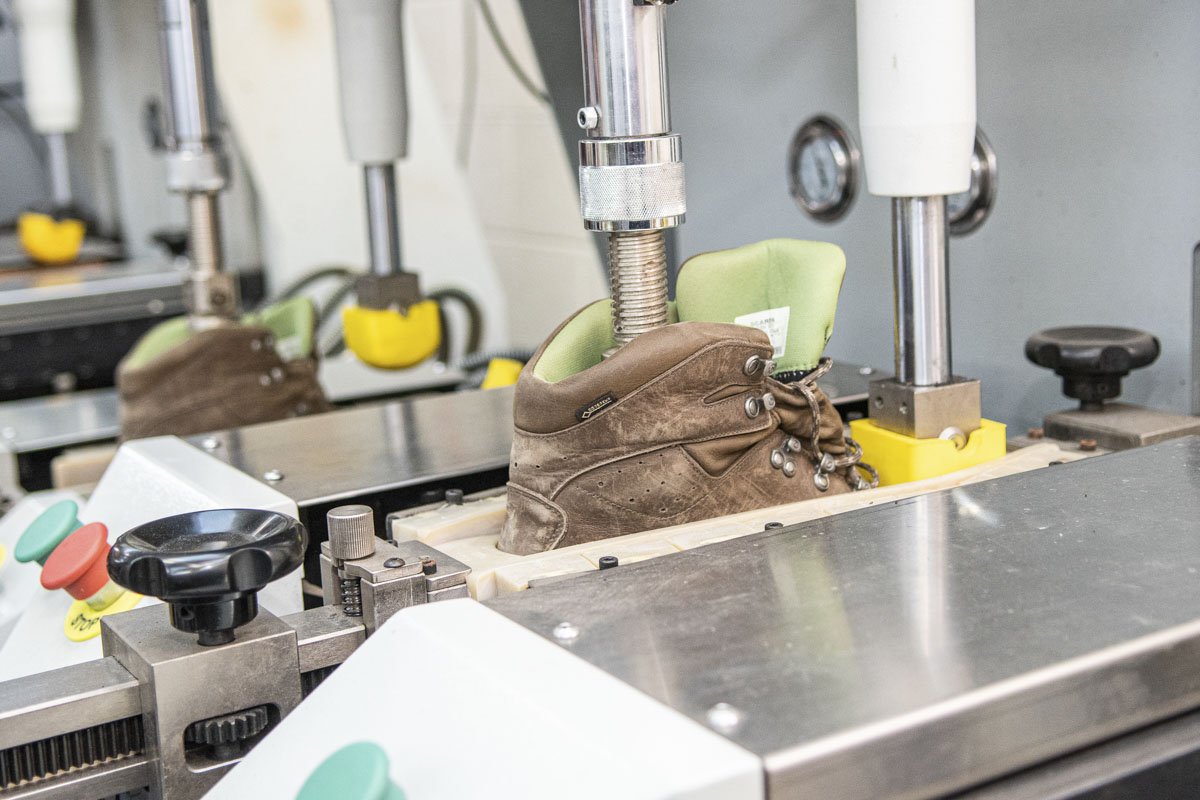
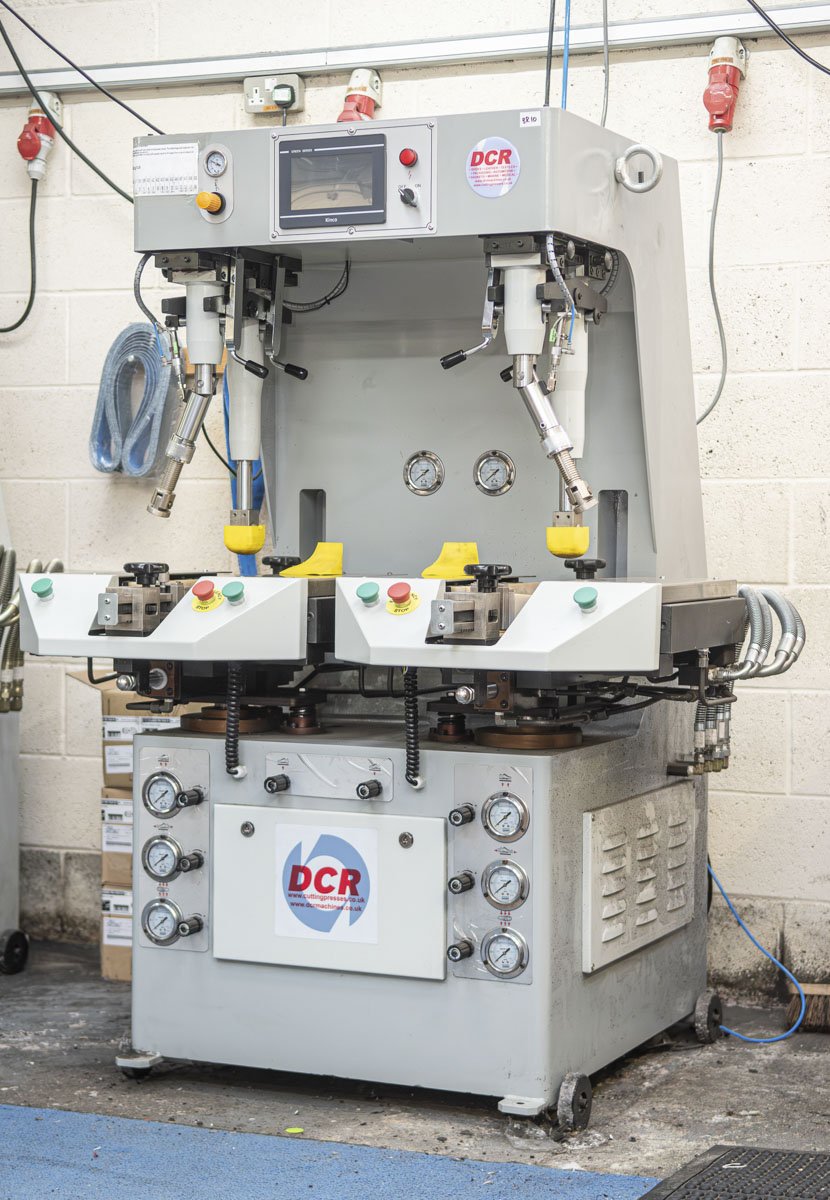
Before joining the Manufacturing Technology Programme, we faced a challenge expanding the team and keeping up with the rising demand for repair services. The programme was pivotal in helping us improve our services. Firstly, we met with a consultant who helped create a new layout focussing on increasing productivity and creating space for new machinery. Once that was finalised, we received financial support towards the purchase of that new machinery.
What kind of support and expertise did you receive through the programme?
Our experience with everyone involved in the programme was excellent. The team were quick to respond, spent time getting to know the specifics of our business and from there offered tailored advice on how they could offer support.
What specific improvements have you made to your manufacturing processes as a result of the programme and how have these benefited the business?
Thanks to the programme, we have been able to improve the lead time we offer to our customers. The new layout of the workspace boosted the efficiency of our original team whilst the new machinery has allowed us to recruit and expand the team. Without the financial support in particular, we would not have been able to make these changes as quickly as we have.
How do you see these improvements benefiting your business in the long term?
With the market growing ever more popular and new competition frequently starting up, these improvements will help us maintain the best possible service and remain as one of the key players amongst our space.
2 – Tank Part
Tankpart is a small, niche manufacturer based in Burnley that produces specialist components for the transport industry. One of its core products is a sheet glass fibre patch used as a high-integrity repair substrate for tanks and bodywork damage. The company has built a strong reputation for quality and reliability in this specialist field.
Before joining the Manufacturing Technology Programme (MTP), what challenges or opportunities were you facing?
Previously, Tankpart subcontracted its cutting process. This approach was costly and inflexible, limiting the size range available to customers and creating high inventory levels. As order volumes grew, the business recognised that bringing this process in-house could reduce costs and improve flexibility. However, doing so manually would take up too much of the team’s time and risk constraining future growth.
What kind of support and expertise did you receive through the programme?
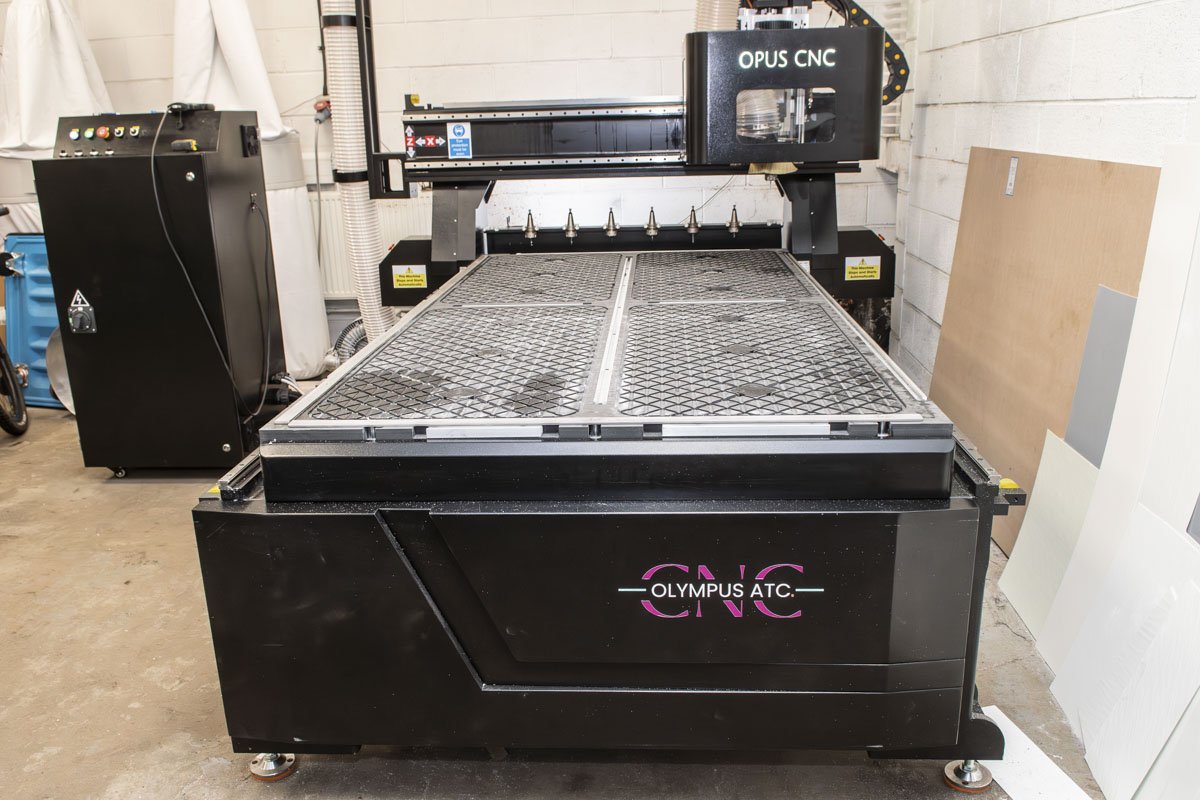
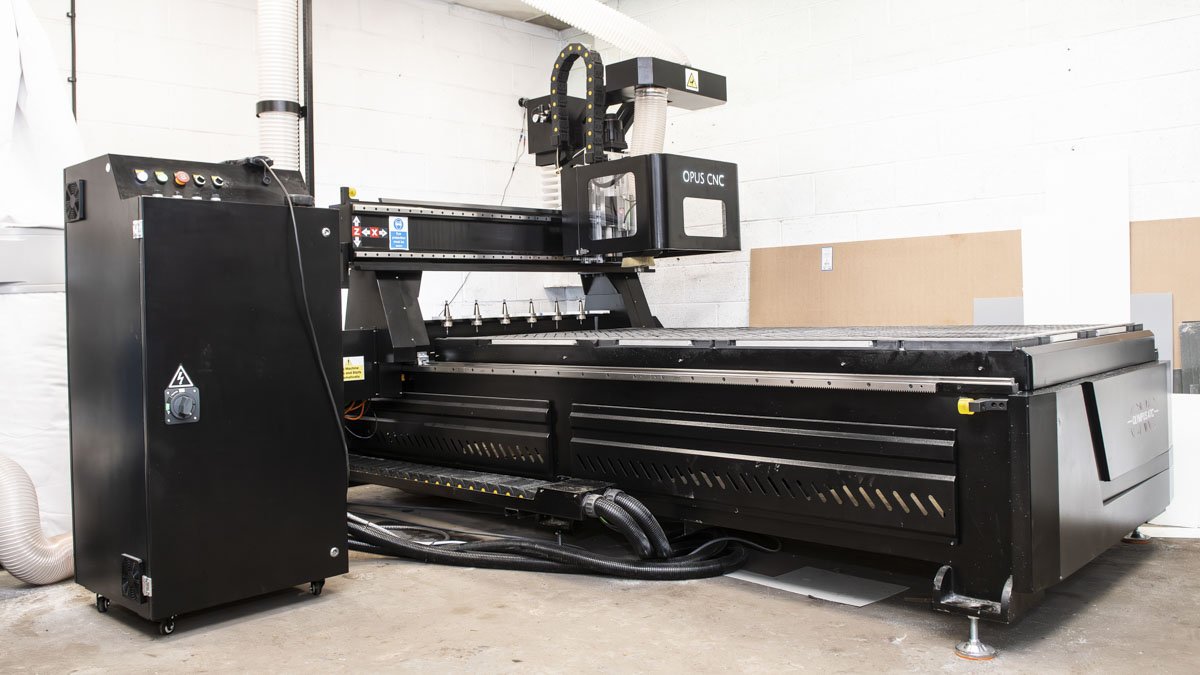
Working with RTC North through Burnley Council’s UK Shared Prosperity Fund-funded Manufacturing Programme, Tankpart explored technology options to modernise production. After detailed discussions, the business identified a CNC router solution with specialist tooling. The consultancy support helped to refine the specification and ensure the equipment met Tankpart’s precise requirements.
What specific improvements have you made to your manufacturing processes as a result of the programme and how have these benefited the business?
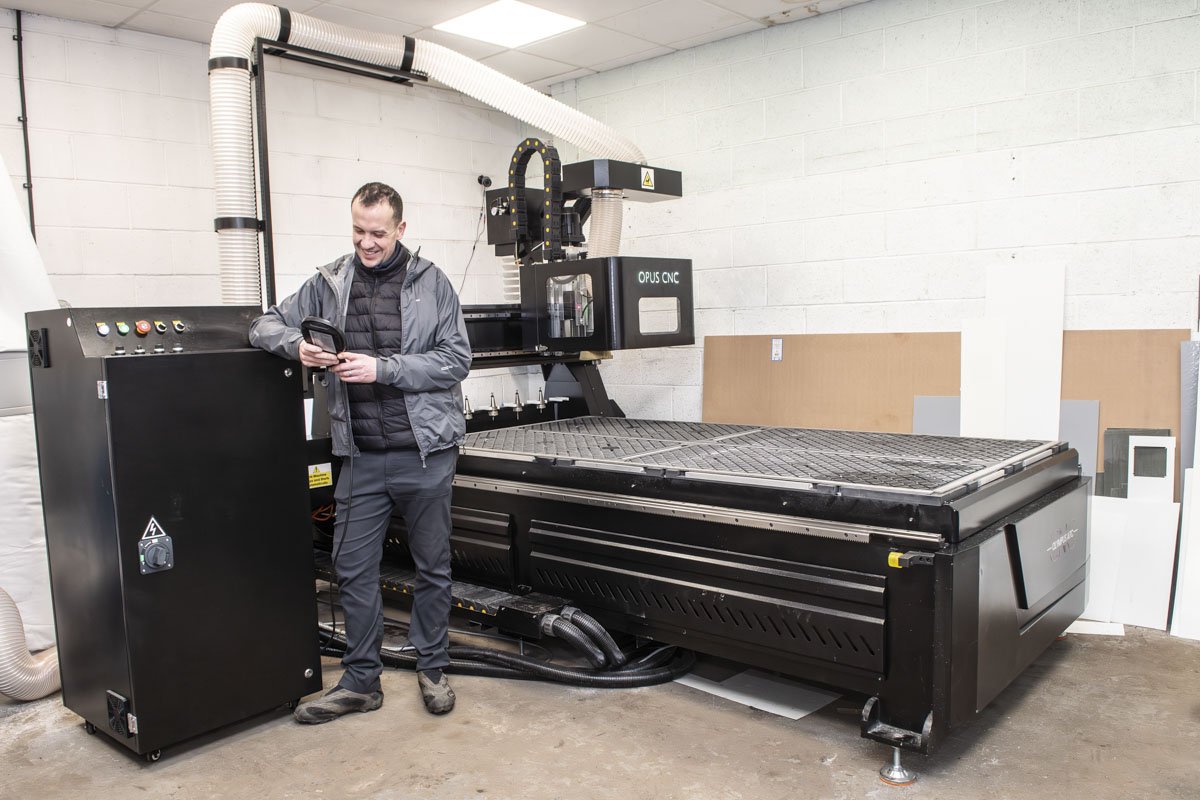
With the new CNC router in place, Tankpart has successfully brought its cutting process in-house. This change has reduced costs, improved turnaround times, and made the company more responsive to customer needs. It’s also freed up staff time for higher-value activities, helping to boost productivity across the business.
“In conjunction with RTC North and the UKSPF-funded Burnley Manufacturing Programme, we explored technology options and invested in CNC cutting machinery. The process has evolved into a viable and productive method, allowing manpower to be redeployed onto more important, value-adding activities.”
How do you see these improvements benefiting your business in the long term?
By integrating new technology and developing its in-house capabilities, Tankpart is now better positioned to grow and adapt as demand continues to rise. The investment marks a step forward in efficiency and innovation, reinforcing Burnley’s reputation for specialist manufacturing excellence.
3 – Hycaero
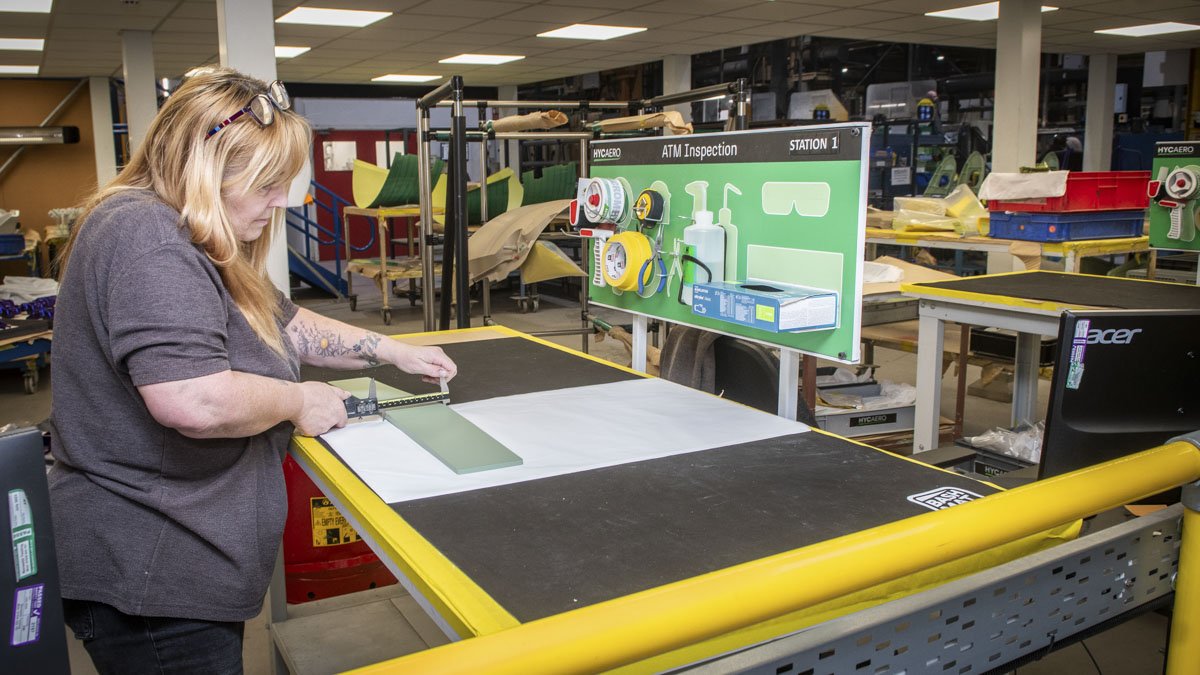
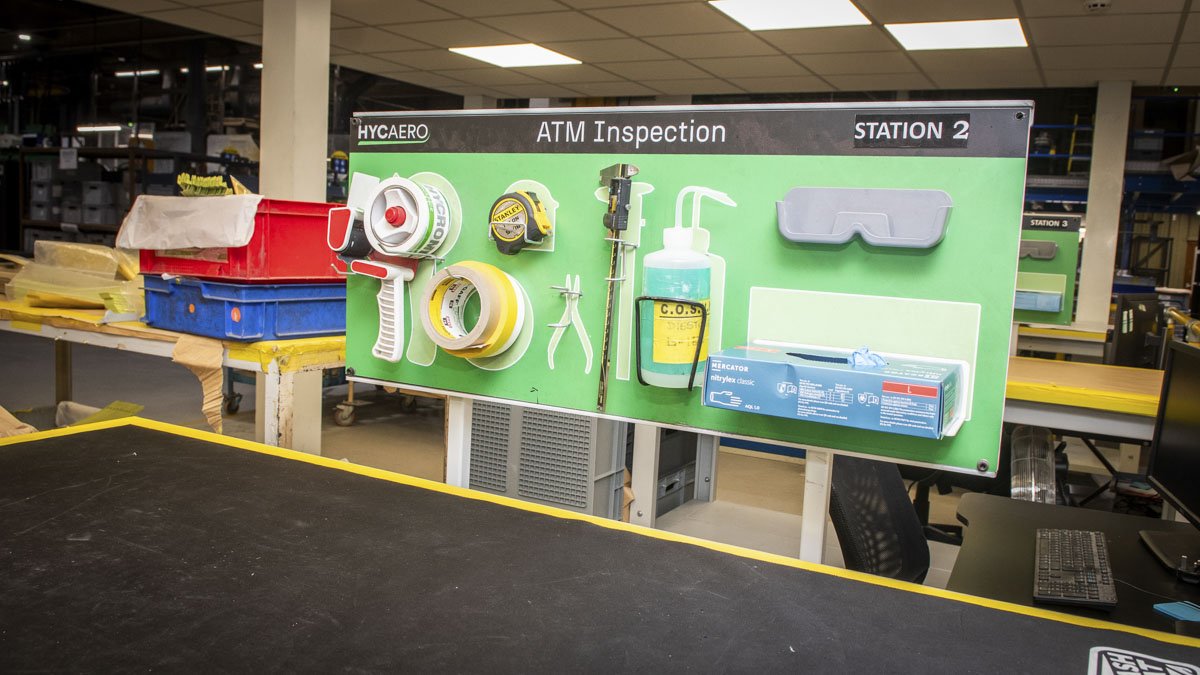
Hycaero is a large SME manufacturer based in Burnley, working across multiple high-precision engineering sectors. The company has built a strong reputation for technical expertise and quality manufacturing, supplying to demanding international markets where precision and continuous improvement are key.
Before joining the Manufacturing Technology Programme (MTP), what challenges or opportunities were you facing?
As Hycaero grew, so did its workforce. With many new entrants joining the business, management recognised a potential risk, that valuable knowledge around Continuous Improvement (CI) could become diluted. Continuous Improvement is a core part of Hycaero’s culture and competitiveness, so the business wanted to strengthen understanding and embed best practice across all departments.
What kind of support and expertise did you receive through the programme?
Through the UK Shared Prosperity Fund (UKSPF) and Burnley Council’s Manufacturing Programme, delivered in partnership with RTC North, Hycaero explored options to address this challenge.
RTC North carried out departmental assessments to understand current knowledge levels and activity around CI. From there, two departments were selected to pilot targeted training workshops. The consultancy team designed and delivered full-day, interactive production simulation sessions to upskill staff in an engaging, hands-on way.
What specific improvements have you made to your manufacturing processes as a result of the programme and how have these benefited the business?
The workshops were highly successful, improving knowledge and confidence around Continuous Improvement throughout the business. Staff responded positively to the interactive approach, and the sessions now serve as a foundation for ongoing CI activity at Hycaero.
“In conjunction with RTC North and the UKSPF-funded Burnley Manufacturing Programme, we undertook departmental assessments and hands-on workshops that upskilled staff in a highly engaging and fun way. This has strengthened our culture of Continuous Improvement and provided a strong basis for future lean activity.”
How do you see these improvements benefiting your business in the long term?
The business plans to roll out similar training across other departments, building on the success of the pilot programme. This ongoing investment in people ensures Hycaero can maintain its competitive edge in international precision engineering markets and continue to grow sustainably.
4 – APTU
Established in 2013 we are a B2B upholstery furniture manufacturer based in a mill in Burnley, Lancashire. Our family run business specialises in deep buttoned beautifully handcrafted furniture. We specialise in the creative and thrive in the wonderful, whether it is a piece of furniture that needs restoring, a model from our wide range or an idea that is bespoke to you. Our team of expert craftsmen will ensure that it is finished to the highest standard. We blur the lines between aged and modern to create truly timeless pieces. We are proud suppliers to some of the biggest and best independent furniture stores across the UK and are recognised for our high end quality and fast lead times.
Before joining the Manufacturing Technology Programme (MTP), what challenges or opportunities were you facing?
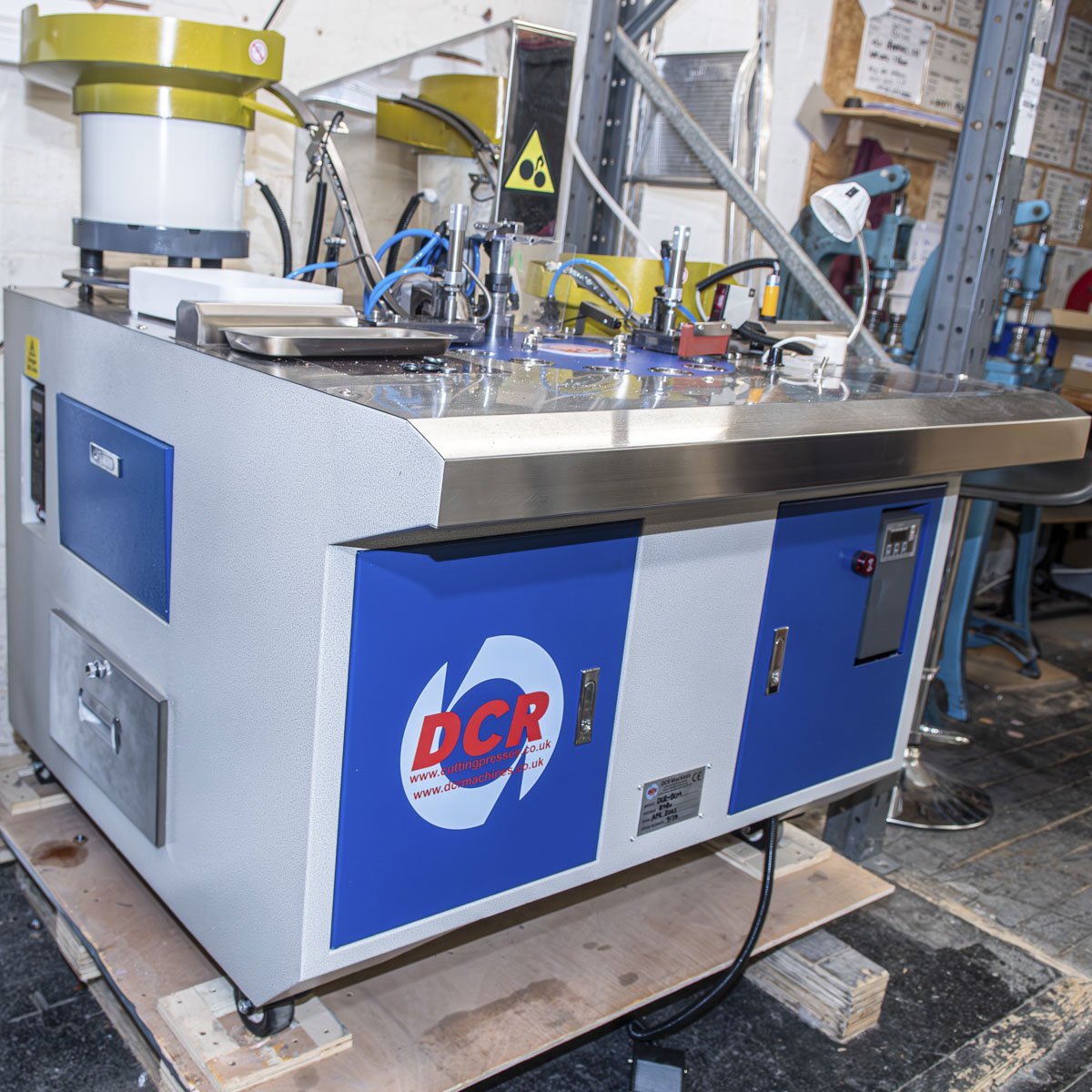
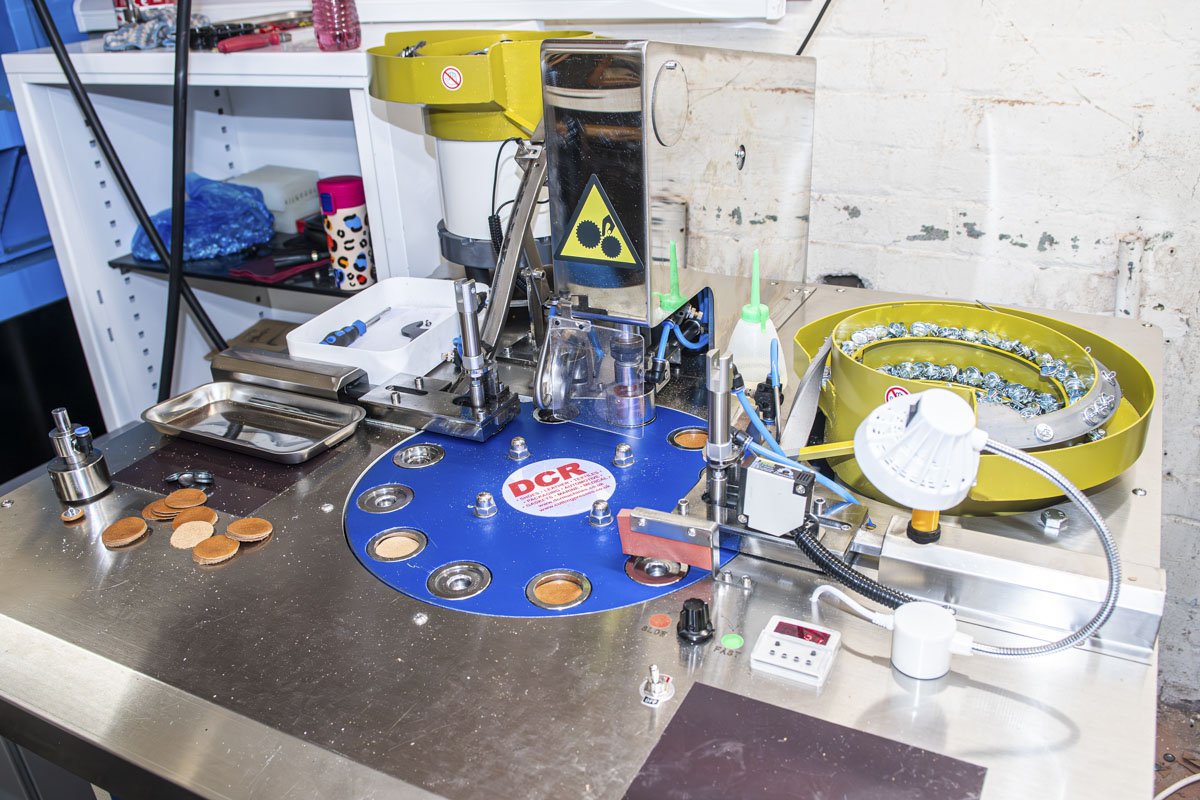
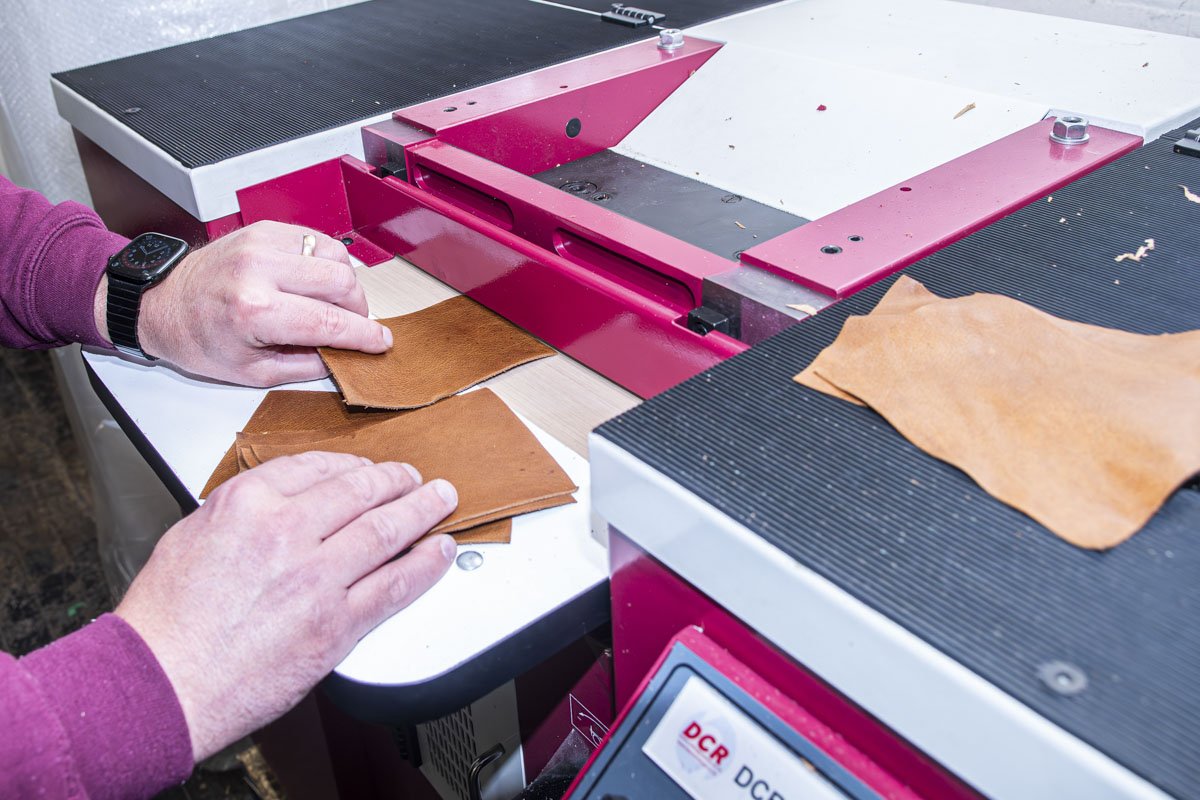
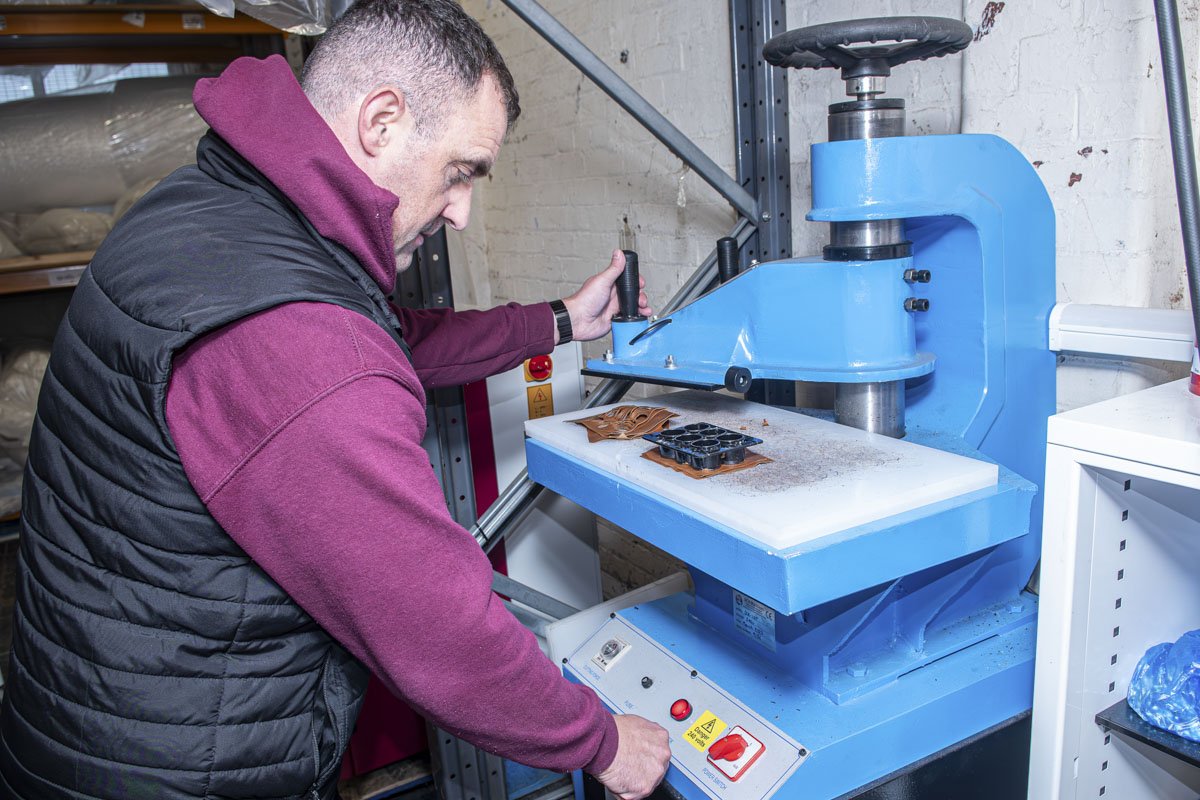
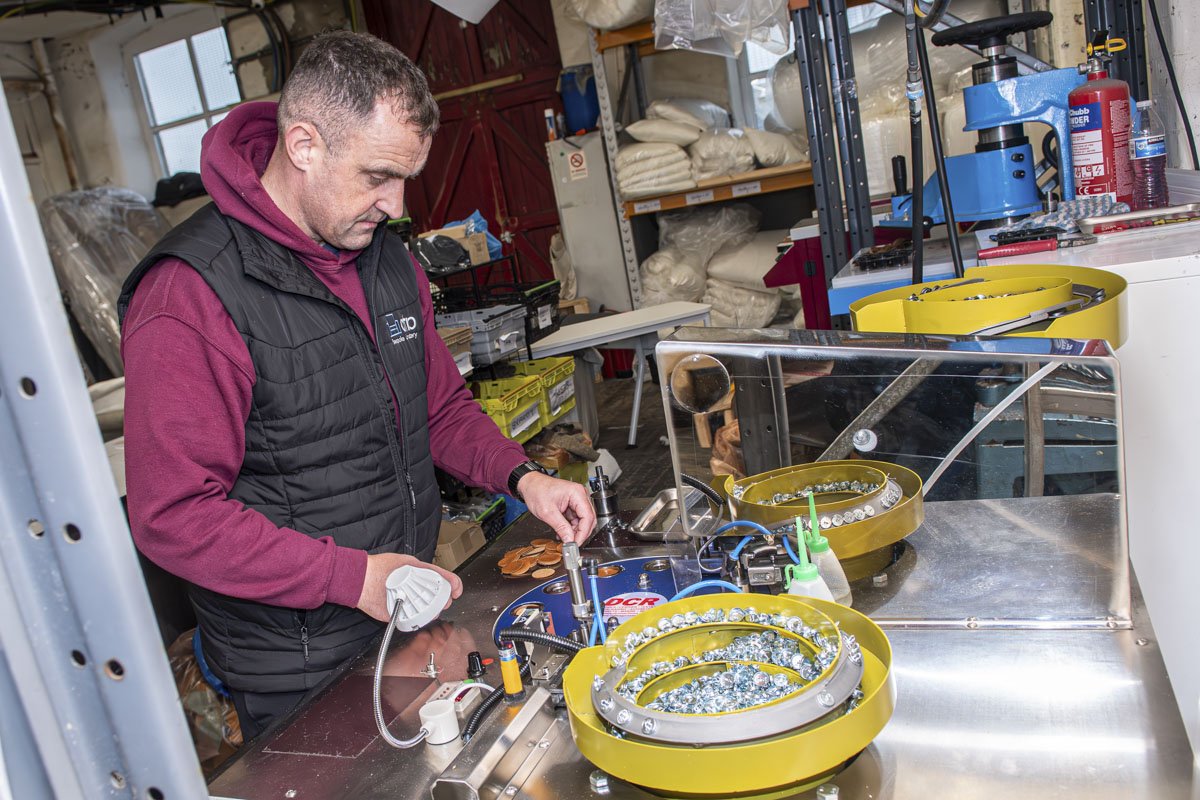
As a deep buttoned specialist we have two methods of creating buttons. Make our own through manual press equipment or buy them in through a supplier at a considerable cost. As button demands grew we would have issues keeping up with what was needed and needed more control. An opportunity to work with the ‘MTP’ to discuss a solution and have our own button making machine would not only save money but improve quality and create an opportunity to make buttons for existing customers and even our competitors.
What kind of support and expertise did you receive through the programme?
It allowed us to sit down and discuss our options and learn about everything that was available to us. We had no idea about what was possible and it was great to have guidance over what would work best for us as a business. They even helped source companies that could supply the technology required.
How would you describe your experience working with the consultancy team?
The team was excellent, they created what felt like a tailored service and did everything they could to really understand us as a business and communicate what would work best for us.
What specific improvements have you made to your manufacturing processes as a result of the programme and how have these benefited the business?
With support from the programme we have been able to set up our own buttoning process that allows us to cater to all our buttoning needs but also elevate our businesses profile by showcasing our capabilities to potential customers and suppliers.
How do you see these improvements benefiting your business in the long term?
Over time the savings generated from using our own button machine will pay for itself and allow us to expand the business and offer the service out as a stand alone business.
Find out more
Find out how your business can access support from the Economy and Development team: Business@burnley.gov.uk